Complete Guide to Sewing Machine Maintenance
Discover the essential maintenance techniques that will keep your sewing machine running smoothly for years to come. From regular cleaning to professional servicing, learn everything you need to know.
Why Machine Maintenance Matters
Your sewing machine is a precision instrument that requires regular care and attention. Just like any machine, it benefits from routine maintenance to ensure optimal performance. Neglecting maintenance can lead to poor stitch quality, thread breakage, and costly repairs. By following a simple maintenance schedule, you can extend your machine's lifespan and save money in the long run.
Daily Maintenance Tips
The first step in machine maintenance is establishing a daily routine. After each sewing session, take a few minutes to brush away loose threads and lint using a small soft brush. Pay special attention to the bobbin area and under the presser foot. This prevents lint buildup that can cause tension issues and mechanical problems.
Key Daily Tasks:
- Brush away lint and thread scraps
- Check the bobbin for proper insertion
- Inspect the needle for bends or dull spots
- Wipe down the exterior with a soft cloth
- Store in a dust-free location when not in use
Weekly Maintenance Schedule
Once a week, perform a more thorough cleaning. Use your machine's manual to access the bobbin case and feed dogs. Clean these areas carefully with a small brush, removing any accumulated lint. Check that all screws are tight and nothing appears loose or damaged.
Monthly Deep Cleaning
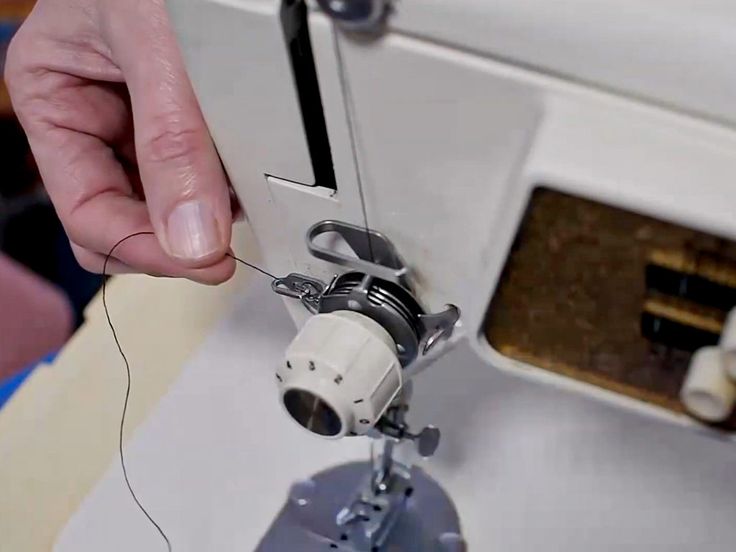
Every month, dedicate time for a deeper maintenance routine. This includes cleaning the tension discs and threading path. Use a small brush or the cleaning brush provided with your machine. Never use harsh chemicals or excessive moisture, as this can damage electronic components.
Monthly Checklist:
- Clean tension discs carefully
- Check and clean the presser foot bar
- Examine the needle bar for lint
- Test stitch quality on scrap fabric
- Replace the needle if needed
Oiling Your Machine
Some machines require periodic oiling to keep moving parts lubricated. Check your machine's manual to see if oiling is recommended and which parts need lubrication. Use only machine oil specifically designed for sewing machines. Never over-oil, as excess oil can attract lint and damage fabric. Apply oil sparingly, just a tiny drop on each specified location.
Needle Care and Replacement
The needle is one of the most important parts of your sewing machine, yet it's often overlooked. A bent, dull, or incorrectly inserted needle is the primary cause of skipped stitches and broken threads. It's recommended to change your needle after every 6-8 hours of sewing, or if you switch to a different fabric weight.
Signs Your Needle Needs Replacing:
- Skipped stitches or loose tension
- Thread breakage, especially immediately after threading
- Creating holes in delicate fabrics
- Making popping sounds while sewing
- Visible bending or dullness under magnification
Professional Servicing
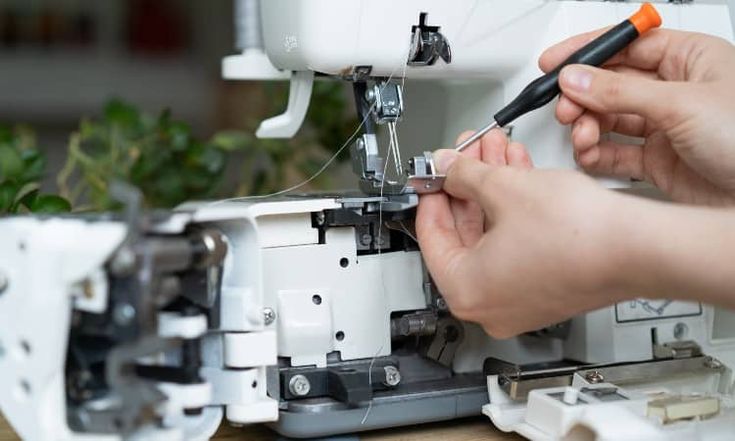
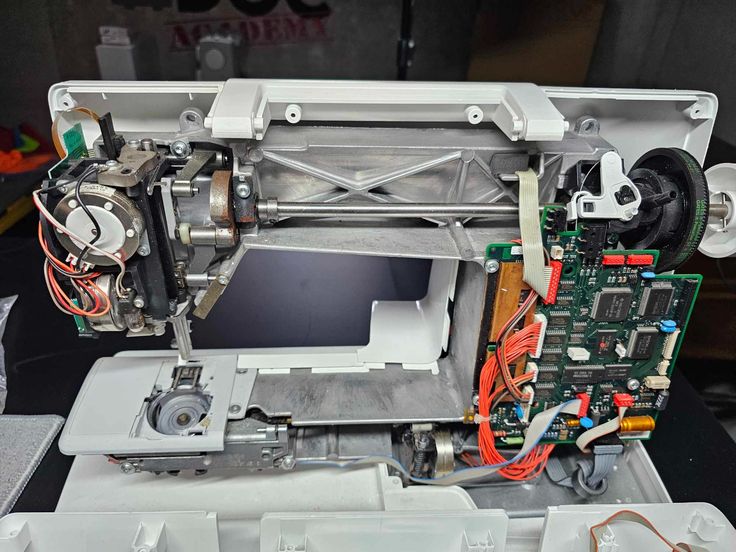
While regular home maintenance is essential, your sewing machine also benefits from professional servicing every 1-2 years. Our technicians at SP Sewings can perform a complete overhaul, including deep cleaning, oiling, adjustment of tension and timing, and replacement of worn parts. This professional care ensures your machine continues to perform at its best.
Troubleshooting Common Issues
Even with proper maintenance, issues can sometimes occur. Here are solutions to common problems:
Skipped Stitches:
This usually indicates a bent needle, incorrect needle insertion, or a needle that's too small for your fabric. Try replacing the needle first, making sure it's inserted correctly with the flat side facing the proper direction.
Thread Breaking:
Check for lint in the tension discs, ensure your needle is inserted correctly, verify you're using quality thread, and make sure the needle isn't bent. Poor tension settings can also cause thread breakage.
Tension Issues:
Start by threading your machine with the presser foot UP, as this opens the tension discs. If problems persist, consult your machine's manual for tension adjustment procedures or contact our service center.
Conclusion
Regular maintenance is the key to enjoying your sewing machine for many years. By following this guide and establishing a maintenance routine, you'll experience better stitch quality, fewer mechanical problems, and a machine that performs beautifully every single time you sit down to sew. At SP Sewings, we're here to help with both preventive maintenance and professional servicing to keep your machine in perfect condition.
Need Professional Help? Contact SP Sewings for expert maintenance and repair services. Our certified technicians have over 15 years of experience and can help with any machine issue.
Related Articles